Concrete is widely used because of its strength and durability, but cracking remains one of the most
common issues in construction projects. Understanding why concrete cracks helps engineers, contractors,
and property owners prevent long-term structural problems.
Common Causes of Concrete Crack
Excess Water in the Mix
Adding too much water improves workability but weakens the concrete. As excess water evaporates,
shrinkage occurs, creating cracks
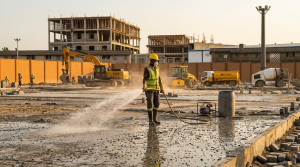
Poor Curing
Concrete requires moisture during the curing process. If it dries too quickly, shrinkage and surface cracking
may occur.
Temperature Changes
Concrete expands in hot temperatures and contracts in cold conditions. Without proper joints and with
reinforcement, cracks can develop.
Soil Settlement
Weak or poorly compacted soil can settle over time, causing movement and cracking in foundations and
slabs.
Types of Concrete Cracks
- Hairline cracks
- Shrinkage cracks
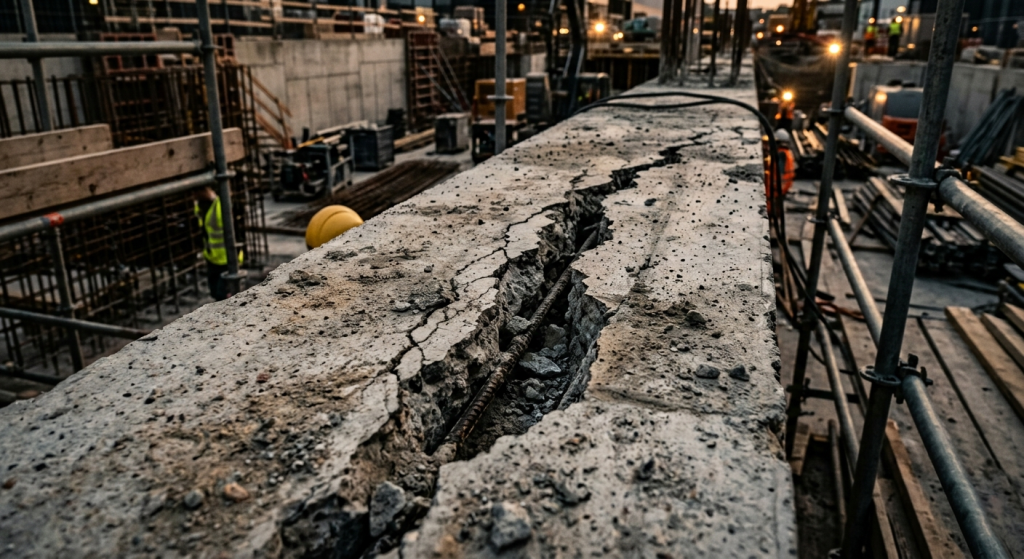
- Structural cracks
- Settlement cracks
How to Prevent Concrete Cracks
- Use proper mix ratios
- Control water content
- Cure concrete correctly
- Ensure proper compaction
- Use reinforcement where required
Conclusion
Concrete cracks are often preventable when proper engineering practices and quality control measures are
followed throughout construction.