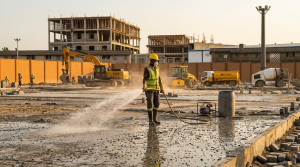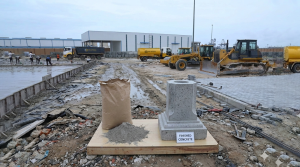
Look around almost any modern city and you’ll see reinforced concrete everywhere.
From houses and apartment buildings to bridges and skyscrapers, reinforced concrete is one of the most widely used construction materials in the world.
But why do engineers place steel bars inside concrete?
The answer lies in understanding how forces act on a structure.
Concrete alone is strong, but it has limitations. By combining concrete with steel reinforcement, engineers create a material capable of supporting enormous loads safely and efficiently.
What Is Reinforced Concrete?
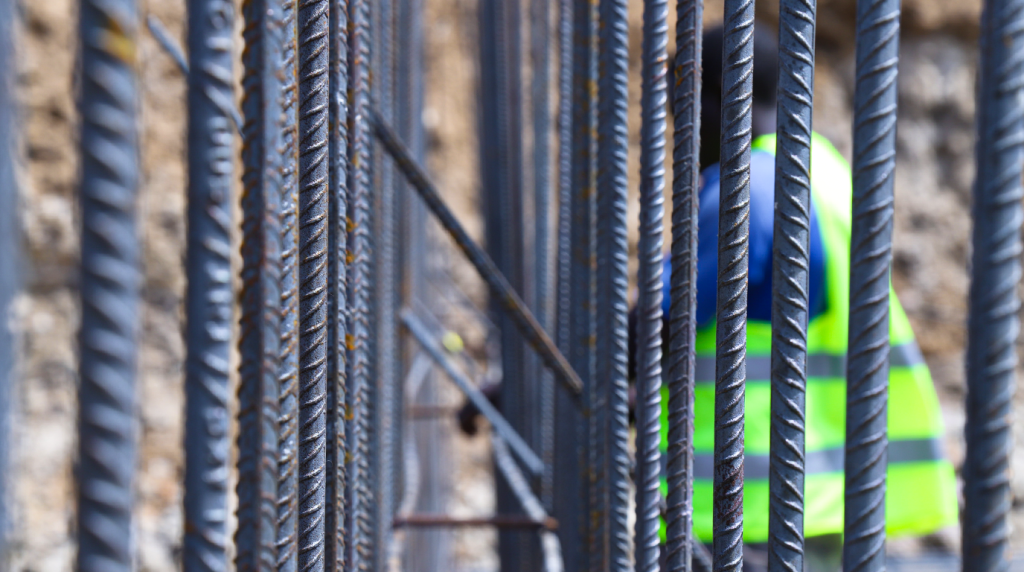
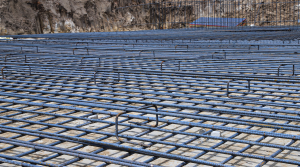
Reinforced concrete is concrete that contains steel reinforcement bars (commonly called rebar) embedded within it.
The steel and concrete work together as a single structural system.
The goal is simple:
- Concrete handles compression forces.
- Steel handles tension forces.
Together they create a stronger and more durable structure.
Why Concrete Alone Is Not Enough
Concrete performs exceptionally well when compressed.
For example, if you place a heavy load directly on a concrete column, the material can support tremendous weight.
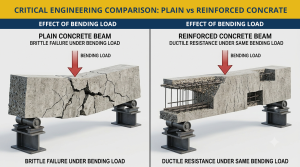
However, concrete is much weaker when subjected to tension.
When stretched or bent, plain concrete tends to crack.
This limitation makes concrete alone unsuitable for many structural applications.
Understanding Compression and Tension
Compression
Compression occurs when forces push inward.
Examples:
- Building columns
- Foundations
- Supporting walls
Concrete performs extremely well under compression.
Tension
Tension occurs when forces pull apart.
Examples:
- Bridge decks
- Floor slabs
- Beams
Steel performs exceptionally well under tension.
By combining both materials, engineers create a structure capable of resisting both forces effectively.
Why Steel Is Used
Steel reinforcement offers several advantages:
High Tensile Strength
Steel can resist pulling forces much better than concrete.
Similar Expansion Rates
Steel and concrete expand and contract at similar rates when temperatures change.
This allows them to work together without significant internal stress.
Strong Bond
Concrete naturally grips steel reinforcement, allowing loads to transfer efficiently between both materials.
Durability
Properly protected reinforcement can remain effective for decades.
Main Components of Reinforced Concrete Structures
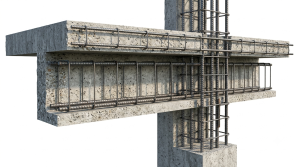
Foundations
Foundations transfer building loads into the ground.
Reinforcement helps resist settlement and structural stresses.
Columns
Columns carry vertical loads from upper floors.
Reinforcement increases strength and stability.
Beams
Beams transfer loads horizontally.
Steel reinforcement helps resist bending forces.
Slabs
Slabs form floors and roofs.
Reinforcement prevents cracking and improves load capacity.
Common Types of Reinforcement
Main Reinforcement Bars
Primary steel bars that resist major structural loads.
Stirrups
Smaller steel loops used in beams and columns.
Their purpose is to:
- Resist shear forces
- Hold reinforcement in position
- Improve structural integrity
Mesh Reinforcement
Steel mesh commonly used in slabs and pavements.
What Happens If Reinforcement Is Missing?
Without adequate reinforcement, structures may experience:
- Excessive cracking
- Reduced load capacity
- Structural failure
- Safety risks
This is why proper reinforcement design is essential.
Common Reinforcement Mistakes
Some construction failures occur because of:
Poor Bar Placement
Incorrect positioning reduces effectiveness.
Insufficient Concrete Cover
Steel must be protected from moisture and corrosion.
Poor Quality Materials
Substandard reinforcement compromises safety.
Lack of Supervision
Construction must follow approved engineering drawings.
Advantages of Reinforced Concrete
Strength
Handles both compression and tension effectively.
Durability
Can last many decades when properly maintained.
Versatility
Suitable for almost every type of structure.
Fire Resistance
Provides better fire performance than many alternative systems.

Conclusion
Reinforced concrete changed the construction industry forever.
By combining the compressive strength of concrete with the tensile strength of steel, engineers created a structural system capable of supporting modern cities, bridges, and infrastructure.
The next time you walk into a building, remember that much of its strength comes from steel hidden inside the concrete.
Key Takeaways
- Concrete is strong in compression.
- Steel is strong in tension.
- Reinforced concrete combines both strengths.
- Proper reinforcement improves safety and durability.
- Most modern structures rely on reinforced concrete.
Building a project that requires strength, safety, and long-term performance?
On Africa Construction delivers professional engineering and construction solutions built on quality workmanship and sound structural principles.